Introduction
When it comes to renovating or updating your bathroom, the walls often take centre stage. Traditional ceramic tiles, while classic, can be time-consuming to install and maintain. Enter shower wall panels a sleek, modern, and practical alternative that is transforming bathrooms across the UK and beyond. Whether you’re a homeowner, landlord, or bathroom fitter, understanding the different types of panels available from aqua panels to wet wall panels can help you make an informed and stylish choice.
In this ultimate guide, we’ll explore everything you need to know about shower panels, including types, benefits, installation, maintenance, and how they compare with traditional tiling. Along the way, we’ll also dive into key terms such as PVC panels, bathroom cladding, and bathroom wall panels ensuring you leave with all the knowledge you need to make your bathroom both functional and fabulous.
What Are Shower Wall Panels?
Shower wall panels are large sheets designed to cover your bathroom walls, particularly in wet zones such as the shower enclosure, behind the bath, or around the sink. Unlike tiles, which are installed individually and require grouting, shower panels come in larger sections, making them faster to fit and easier to maintain.
These panels are not just about practicality they also offer a range of textures, colours, and finishes, including high-gloss, matte, stone, marble, and even wood effects, making them a stylish addition to any bathroom.
Why Choose Shower Panels Over Traditional Tiles?
There are several reasons why more homeowners are switching to bathroom wall panels:
1. Quick and Easy Installation
Unlike tiles, which must be laid one by one and grouted, shower panels can be installed directly onto plaster, concrete, or even existing tiles. This dramatically reduces installation time and labour costs.
2. Low Maintenance
With shower panels, you won’t have to worry about scrubbing grout lines. A simple wipe-down with a damp cloth is enough to keep them looking pristine. This makes them ideal for busy households and rental properties.
3. Waterproof and Hygienic
Made from materials like PVC, acrylic, or laminate, wet wall panels offer complete waterproofing and mould resistance. This not only keeps your bathroom dry but also improves hygiene by preventing bacterial build-up.
4. Cost-Effective
Bathroom panels offer excellent value for money. They tend to be more affordable than high-end tiles, especially when you factor in the savings on adhesives, grout, and labour.
5. Stylish and Versatile
Whether you prefer a contemporary, minimalist look or a traditional marble effect, there’s a bathroom cladding design to match your vision.

Types of Bathroom Wall Panels
There are several types of shower wall panels to choose from, depending on your budget, design preferences, and bathroom layout.
1. PVC Shower Panels
PVC panels are the most popular choice for modern bathrooms. Lightweight, waterproof, and affordable, these panels come in a wide array of colours and finishes. Their tongue-and-groove system makes them easy to slot together, creating a seamless look.
Pros:
- Cost-effective
- Fully waterproof
- Easy to cut and install
- Variety of designs
Best for: DIYers, budget renovations, and rental properties.
2. Acrylic Panels
Acrylic shower panels offer a glossy, glass-like finish that looks high-end but is much easier to maintain than actual glass. They’re slightly more expensive than PVC but offer superior visual appeal.
Pros:
- Ultra-sleek finish
- Durable and impact-resistant
- Great for contemporary bathrooms
Best for: Design-focused renovations and luxury bathrooms.
3. Laminate Panels
Often referred to as aqua panels, laminate wet wall panels consist of a MDF or plywood core sealed with a high-pressure laminate surface. They’re more robust and are often used in commercial settings or high-end home bathrooms.
Pros:
- Long-lasting
- Highly water-resistant
- Premium finish options like marble, granite, and wood
Best for: High-traffic bathrooms, hotels, and commercial properties.
What Are Aqua Panels?
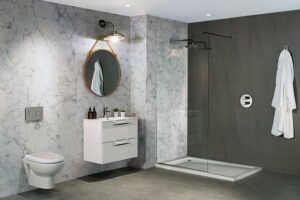
Aqua panels are a specific type of high-quality wet wall panel, typically made using a moisture-resistant MDF or composite core and a waterproof surface layer. They’re particularly known for their strength and luxurious finishes.
Because they’re so robust, aqua panels are ideal for both domestic and commercial bathrooms where moisture and wear-and-tear are constant challenges.
What Is Bathroom Cladding?
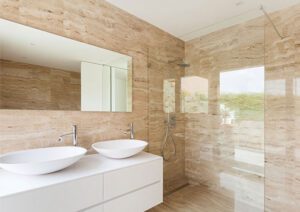
Bathroom cladding is an umbrella term that refers to any material used to cover and protect the walls of a bathroom. This includes PVC panels, aqua panels, tiles, and even decorative boards.
However, in most modern contexts, bathroom cladding refers specifically to waterproof wall panels made from synthetic materials designed to resist water, mould, and mildew. Cladding offers a sleek, seamless finish that is perfect for contemporary bathrooms.

Installation Tips for Shower Wall Panels
Installing bathroom wall panels can be a relatively simple DIY job, especially if you’re working with PVC panels. Here are some key installation tips:
1. Prepare the Surface
Make sure the wall is clean, dry, and free from dust or grease. If you’re applying over tiles, ensure they’re firmly attached and consider using a bonding agent.
2. Measure Twice, Cut Once
Use a fine-tooth saw or utility knife for precise cutting. Always double-check your measurements before cutting your panels.
3. Use the Right Adhesive
Choose an adhesive specifically formulated for bathroom cladding or wet wall panels. For extra security, use a combination of adhesive and screws (especially for laminate panels).
4. Seal All Joints
Use waterproof silicone sealant between panels and at the edges to ensure a completely watertight finish.
5. Finishing Touches
Use corner trims and end caps to neaten up edges and corners. These come in a range of colours and materials to match your panels.
Cleaning and Maintenance
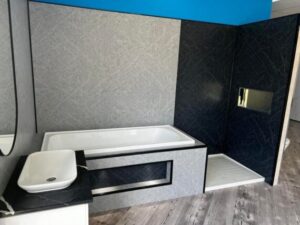
One of the biggest selling points of shower wall panels is their low-maintenance nature. Here’s how to keep them looking like new:
- Wipe down regularly with a damp, non-abrasive cloth.
- Avoid harsh chemical cleaners that could damage the finish.
- Use a squeegee after showers to prevent watermarks.
- Check sealant regularly and reapply if needed.

Design Ideas and Inspiration
Looking for ways to use bathroom panels creatively? Here are some trendy ideas:
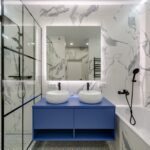
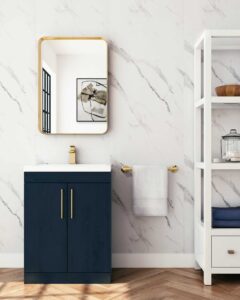
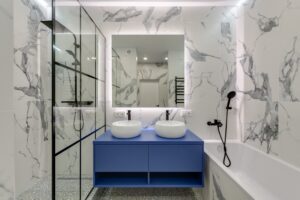
1. Marble Effect PVC Panels
Create a spa-like retreat with white marble effect PVC panels paired with gold fixtures and soft lighting.
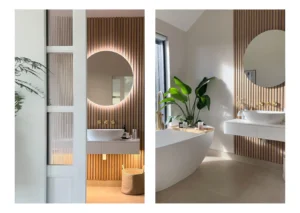
2. Wood-Effect Bathroom Cladding
For a rustic or Scandi-style bathroom, choose wood-textured panels in light oak or walnut tones.
3. Bold and Glossy Acrylic Panels
Add a pop of colour with deep navy or emerald green acrylic shower panels. Pair with contrasting grout lines or black trim for an industrial edge.
4. Stone-Effect Aqua Panels
Go high-end with stone-effect aqua panels in grey or black. These work beautifully with minimalist fixtures and matte black hardware.
FAQs About Shower Wall Panels
Q: Are shower panels better than tiles?
A: In many cases, yes. Shower panels are easier to install, require less maintenance, and are often more cost-effective.
Q: How long do bathroom panels last?
A: With proper installation and care, bathroom wall panels can last 10–15 years or more.
Q: Can you install panels over existing tiles?
A: Absolutely. As long as the tiles are secure, you can apply bathroom cladding directly on top with the correct adhesive.
Q: Are bathroom panels eco-friendly?
A: Some manufacturers offer PVC panels made from recycled materials. Additionally, their long lifespan reduces the need for frequent replacements.
Q: Are panels suitable for all walls?
A: Yes. They can be installed on concrete, plaster, tile, or even stud walls (using batons if needed).

Conclusion: Are Shower Panels Right for You?
If you’re looking for a smart, stylish, and low-maintenance way to revamp your bathroom, shower wall panels offer a compelling alternative to traditional tiling. Whether you opt for PVC panels for budget renovations, aqua panels for premium projects, or something in between, you’ll benefit from a waterproof, hygienic, and easy-to-install solution that enhances both form and function.
So whether you’re fitting a new ensuite, upgrading a family bathroom, or refurbishing a rental property, give bathroom panels a serious look. With endless design possibilities and practical advantages, they just might be the perfect fit for your next project.