- March 2, 2026
- admin
- 0 Comments
- Uncategorized
Introduction
Designing a bathroom in the UK today is no longer just about utility. It is about crafting a space that feels relaxing, visually appealing, and highly functional. Homeowners increasingly see the bathroom as a personal retreat, a place to unwind after a long day while still meeting practical daily needs. Striking the right balance between style and function can be challenging, but with thoughtful planning, quality materials, and smart design decisions, it is entirely achievable.
This comprehensive guide explores how to harmonize elegance and practicality in modern UK bathroom design. From layout planning and material selection to lighting, storage, and sustainability, we will cover every aspect that contributes to creating a beautiful yet functional bathroom. Along the way, we will also highlight the role of shower panels in achieving a seamless blend of modern aesthetics and everyday usability.
Understanding the Modern UK Bathroom
The modern UK bathroom has evolved significantly over the past few decades. Traditional designs focused mainly on basic needs: a bathtub, toilet, and sink. Today, the emphasis has shifted toward wellness, comfort, and visual appeal. Homeowners want bathrooms that feel like spa retreats, complete with soothing colours, elegant fixtures, and efficient layouts.
However, UK homes often face space constraints, especially in older properties and city apartments. This makes functional design even more crucial. Every inch needs to be used wisely, and every element must serve a clear purpose while contributing to the overall aesthetic.
Key Characteristics of Contemporary UK Bathrooms
Minimalist Aesthetics – Clean lines, simple forms, and clutter-free spaces define modern bathrooms.
Smart Storage Solutions – Hidden storage, built-in cabinets, and clever shelving help keep the space tidy.
High-Quality Materials – Durable, moisture-resistant materials ensure longevity and easy maintenance.
Energy Efficiency – Water-saving fixtures and energy-efficient lighting support sustainability goals.
Comfort and Wellness – Features like rainfall showers, underfloor heating, and ambient lighting enhance relaxation.

Planning the Perfect Layout
The foundation of any successful bathroom design is a well-thought-out layout. In the UK, where bathrooms often vary widely in size, effective planning can make the difference between a cramped, awkward space and a functional, inviting one.
Assessing Your Space
Start by carefully measuring your bathroom and noting the location of plumbing lines, windows, doors, and structural elements. This will help determine what is realistically possible without costly alterations.
Consider how the bathroom will be used. Is it a family bathroom, an en-suite, or a guest cloakroom? Each type has different requirements. A family bathroom, for instance, needs durability and storage, while an en-suite can prioritise luxury and relaxation.
Zoning for Efficiency
Zoning is a design technique that divides the bathroom into distinct functional areas: bathing, washing, and toileting. This improves flow and usability. For example, placing the shower area at one end and the vanity at another can help reduce congestion during busy mornings.
Open layouts are increasingly popular, particularly in larger bathrooms. Using glass screens instead of solid walls allows light to flow freely, making the space feel larger and more cohesive.

Choosing the Right Materials
Material selection plays a critical role in balancing style and function. Bathrooms must withstand moisture, temperature changes, and frequent use, so durability is essential. At the same time, materials should complement the overall design theme.
Flooring Options
Porcelain Tiles – Highly durable, water-resistant, and available in a wide range of designs.
Natural Stone – Offers a luxurious look but requires sealing and regular maintenance.
Vinyl Flooring – Budget-friendly, water-resistant, and comfortable underfoot.
Engineered Wood – Adds warmth but must be properly sealed for bathroom use.
Wall Finishes
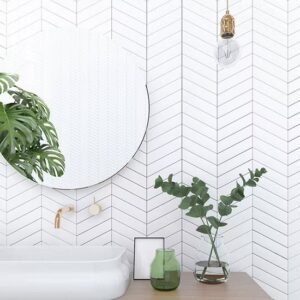
Wall tiles are a classic choice, offering both protection and visual interest. Large-format tiles can make small bathrooms feel more spacious, while textured or patterned tiles add character.
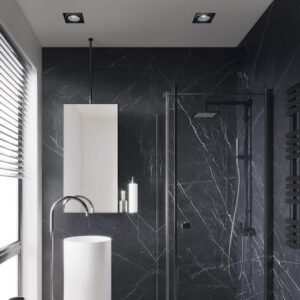
In modern designs, shower panels have become a popular alternative to traditional tiling. They provide a sleek, seamless appearance, are easy to clean, and can be installed quickly, making them ideal for both renovations and new builds.
Fixtures and Fittings
High-quality taps, shower systems, and sanitaryware not only look better but also last longer. Chrome and brushed brass finishes remain popular, while matte black fixtures add a contemporary edge.
The Role of Lighting in Bathroom Design
Lighting is often overlooked, yet it has a profound impact on both functionality and atmosphere. A well-lit bathroom should combine different layers of lighting to serve various purposes.
Task Lighting
This type of lighting is essential around mirrors and vanities for activities such as shaving, applying makeup, or grooming. LED strip lights or wall-mounted fixtures provide even, shadow-free illumination.
Ambient Lighting
Ambient lighting sets the overall mood of the bathroom. Ceiling-mounted fixtures, recessed lights, or soft LED panels can create a calm, relaxing environment.
Accent Lighting
Accent lighting highlights architectural features or decorative elements. Under-cabinet lights, illuminated niches, and backlit mirrors add depth and sophistication.
Storage Solutions for Clutter-Free Living
A stylish bathroom can quickly lose its appeal if clutter takes over. Smart storage solutions are key to maintaining both functionality and aesthetics.
Built-In Cabinets
Wall-mounted and recessed cabinets provide ample storage without taking up valuable floor space. Mirrored cabinets offer the added benefit of reflection, enhancing light and space.
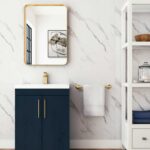
Vanity Units
Modern vanity units combine sink and storage in one sleek package. Drawer-based designs are particularly practical, offering easy access to toiletries and cleaning supplies.
Open Shelving
Open shelves add a decorative element while providing convenient storage for frequently used items. However, they require careful organisation to avoid a cluttered look.

Integrating Modern Shower Solutions
The shower area is often the focal point of the bathroom, especially in contemporary designs where bathtubs are becoming less common. A well-designed shower combines comfort, style, and practicality.
Walk-in showers with frameless glass enclosures create a clean, open look. Rainfall showerheads, thermostatic controls, and body jets enhance the bathing experience.
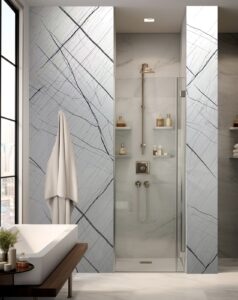
Incorporating shower panels into the design offers a sleek alternative to traditional tile installations. They provide a uniform finish, reduce grout lines, and simplify maintenance, making them a practical and visually appealing choice.

Sustainability and Energy Efficiency
Sustainable design is no longer optional; it is an essential consideration in modern UK homes. Eco-friendly bathrooms reduce environmental impact while also lowering utility bills.
Water-Saving Fixtures
Low-flow taps, dual-flush toilets, and efficient shower systems significantly reduce water consumption without compromising performance.
Energy-Efficient Heating
Underfloor heating systems and energy-efficient radiators provide consistent warmth while minimising energy use. Smart thermostats allow precise temperature control.
Sustainable Materials
Using recycled or responsibly sourced materials, such as reclaimed wood or eco-friendly tiles, supports sustainable building practices.
Colour Schemes and Visual Harmony
Colour has a powerful effect on mood and perception of space. Choosing the right palette can make a small bathroom feel larger or a large bathroom feel more intimate.
Neutral Tones
Whites, greys, and beiges are timeless and versatile, creating a calm and airy atmosphere. They also provide a perfect backdrop for accent colours and textures.
Bold Accents
Deep blues, emerald greens, and charcoal greys add drama and sophistication. Used sparingly, they create focal points without overwhelming the space.
Natural Hues
Earthy tones inspired by nature, such as sand, stone, and soft greens, promote relaxation and connect the bathroom to the natural world.

Creating a Spa-Like Experience at Home
One of the most significant trends in UK bathroom design is the desire to recreate the spa experience at home. This involves combining luxurious materials, thoughtful lighting, and high-end fixtures.
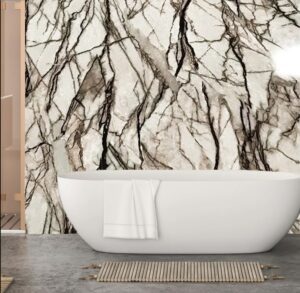
Features such as rainfall showers, freestanding bathtubs, heated towel rails, and aromatherapy diffusers transform everyday routines into moments of indulgence. Soft textiles, plants, and subtle fragrances further enhance the sensory experience.
The use of shower panels in spa-inspired bathrooms contributes to a sleek, seamless aesthetic that complements modern luxury. Their smooth surfaces and contemporary finishes help create a clean, calming environment.
Accessibility and Inclusive Design
A truly functional bathroom must accommodate users of all ages and abilities. Inclusive design principles ensure that the space remains safe, comfortable, and accessible.
Key Considerations
Non-slip flooring to reduce the risk of falls
Grab rails near toilets and showers
Walk-in showers with level access
Adjustable showerheads and taps
Adequate turning space for mobility aids
Designing with accessibility in mind does not mean compromising on style. Many modern fixtures and fittings are both functional and visually appealing, blending seamlessly into contemporary designs.
Maintenance and Long-Term Durability
A stylish bathroom should also be easy to maintain. Choosing durable materials and finishes reduces the need for frequent repairs and replacements.
Regular cleaning routines, proper ventilation, and quality workmanship all contribute to the longevity of the space. Features such as large tiles, seamless surfaces, and well-installed shower panels minimise grout lines and joints, making cleaning quicker and easier.

Budgeting and Cost Management
Renovating or designing a bathroom can be a significant investment. Careful budgeting ensures that you achieve the best possible results without unnecessary expense.
Tips for Effective Budgeting
Prioritise essential elements such as plumbing, waterproofing, and ventilation.
Allocate funds for high-quality fixtures that offer long-term value.
Mix premium and budget-friendly materials strategically.
Plan for contingencies to cover unexpected costs.
Balancing cost and quality is key. Investing in durable materials and reliable fixtures often proves more economical in the long run.

Future-Proofing Your Bathroom
As lifestyles and technologies evolve, future-proofing your bathroom ensures it remains functional and stylish for years to come.
Smart features such as digital shower controls, motion-sensor lighting, and heated mirrors enhance convenience. Flexible layouts and adaptable storage solutions accommodate changing needs over time.
By incorporating timeless design elements and modern innovations, you can create a bathroom that stands the test of time both aesthetically and functionally.

Final Thoughts: Achieving the Perfect Balance
Designing a UK bathroom that harmonises style and function is a rewarding process that requires careful planning, thoughtful material selection, and attention to detail. By considering layout, lighting, storage, sustainability, and accessibility, you can create a space that is both beautiful and practical.
Modern solutions like shower panels play a vital role in achieving this balance, offering sleek aesthetics, ease of maintenance, and efficient installation. When integrated thoughtfully, they enhance both the visual appeal and usability of the bathroom.
Ultimately, the perfect bathroom reflects your personal taste while meeting your everyday needs. Whether you prefer minimalist simplicity, classic elegance, or contemporary luxury, the key lies in thoughtful design and quality craftsmanship. With the right approach, your bathroom can become not just a functional space, but a true sanctuary within your home.