

- January 29, 2026
- admin
- 0 Comments
- Uncategorized
Introduction: The Bathroom as a Design Destination
In 2025, the bathroom has fully stepped out of its utilitarian past and into the spotlight as one of the most expressive rooms in the home. No longer treated as an afterthought, it is now a personal retreat, a wellness zone, and a canvas for design experimentation. Homeowners, architects, and interior designers are placing greater emphasis on how bathrooms feel, not just how they function. Materials, finishes, lighting, and technology all come together to create immersive experiences that rival high-end spas and boutique hotels.
At the center of this evolution is the rise of advanced shower systems that combine performance, aesthetics, and comfort. Rather than relying on basic fixtures, modern bathrooms now feature integrated solutions that deliver multiple water experiences while making a strong visual statement. This shift reflects broader lifestyle trends: people want calm, control, and a touch of everyday luxury in their private spaces. Among these innovations, shower pannels have become a defining element of contemporary bathroom design, offering both visual impact and practical benefits.
This article explores the most influential bathroom design directions of 2025, moving from clean minimalist expressions to bold, luxurious installations. Whether you are planning a renovation, designing a new build, or simply gathering inspiration, this deep dive will help you understand how modern shower solutions fit into today’s most desirable interiors.
The Evolution of Modern Shower Design
To appreciate where bathroom design is heading in 2025, it helps to look briefly at how far it has come. In previous decades, showers were often tucked into corners, framed by bulky enclosures, and equipped with limited functionality. Design choices were restricted by plumbing constraints, and visual cohesion was rarely a priority.
As open-plan bathrooms gained popularity and technology advanced, designers began to rethink the shower as a central feature rather than a hidden utility. The introduction of wall-mounted systems allowed for cleaner lines, better water distribution, and easier maintenance. Digital controls, thermostatic valves, and eco-friendly water management further transformed the showering experience into something customizable and indulgent.
Today’s designs are influenced by architecture, fashion, and wellness culture. Natural stone, brushed metals, glass, and textured surfaces are carefully layered to create depth and mood. Lighting plays a crucial role, with integrated LEDs and ambient illumination enhancing both function and atmosphere. The shower is no longer just a place to get clean; it is a space to reset, relax, and recharge.

Minimalist Bathroom Concepts: Beauty in Restraint
Minimalism continues to be a dominant force in 2025, but it has evolved beyond stark white rooms and clinical finishes. Modern minimalism is warmer, more tactile, and deeply intentional. Every element is chosen for a reason, and unnecessary decoration is stripped away in favor of clarity and balance.
In minimalist bathrooms, visual noise is kept to a minimum. Neutral color palettes—soft whites, warm beiges, pale greys, and muted earth tones—create a calming backdrop. Materials are allowed to speak for themselves: smooth concrete, matte ceramics, light wood, and natural stone are commonly used. Storage is concealed, lines are uninterrupted, and surfaces remain uncluttered.
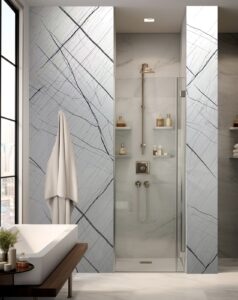
Shower areas in minimalist spaces often blend seamlessly with the rest of the room. Frameless glass enclosures or open walk-in layouts maintain a sense of flow and openness. Wall-mounted fixtures and integrated systems help preserve clean lines while delivering advanced functionality. When done right, minimalism does not feel empty; it feels intentional, serene, and timeless.
Why Integrated Shower Systems Matter in Minimalist Design
Minimalist interiors demand products that are both visually subtle and highly functional. Bulky fixtures or mismatched components can quickly disrupt the harmony of the space. This is where integrated shower systems truly shine. By combining multiple water outlets and controls into a single vertical unit, they reduce visual clutter and simplify installation.
Designers favor these systems because they align perfectly with minimalist principles: fewer visible elements, cleaner walls, and a cohesive look. Finishes such as brushed stainless steel, matte black, or soft champagne tones complement neutral palettes without overpowering them. The focus remains on form, proportion, and experience rather than decoration.
In 2025, minimalist bathrooms increasingly feature concealed plumbing paired with sleek, wall-mounted installations. This approach not only enhances aesthetics but also improves ease of cleaning and long-term maintenance. The result is a bathroom that feels effortless, modern, and quietly luxurious.

Transitional Styles: Bridging Minimalism and Luxury
Not every homeowner wants a purely minimalist or ultra-luxurious bathroom. Transitional design offers a middle ground, blending clean lines with richer materials and subtle decorative touches. This style is especially popular in 2025, as it allows for personalization without sacrificing elegance.
Transitional bathrooms often combine neutral foundations with warm accents. Think soft grey walls paired with brass fixtures, or white stone surfaces contrasted with dark wood cabinetry. Texture plays a key role, adding depth and interest without overwhelming the space. Lighting is layered to create both functional brightness and ambient warmth.
In these environments, shower systems become focal points without dominating the room. Carefully chosen finishes and proportions allow them to stand out just enough to feel special. The balance between simplicity and sophistication makes transitional bathrooms highly adaptable and enduring.

Luxury Bathrooms: Designing for Indulgence
At the other end of the spectrum, luxury bathroom design in 2025 is all about immersion and indulgence. These spaces are designed to impress, offering hotel-level comfort and spa-inspired experiences within the home. Every detail is curated to evoke a sense of escape and exclusivity.
Luxury bathrooms often feature generous layouts, high ceilings, and premium materials. Marble, onyx, quartzite, and exotic woods are commonly used to create visual drama. Statement lighting fixtures, freestanding tubs, and expansive mirrors add to the sense of grandeur. Technology is seamlessly integrated, allowing users to control lighting, temperature, and water flow with precision.
In these high-end spaces, shower pannels are not just functional elements; they are design statements. Oversized installations with multiple jets, rainfall heads, and body sprays transform daily routines into ritualistic experiences. Finishes such as polished gold, gunmetal, or custom colors elevate the aesthetic and reinforce the sense of luxury.

Spa-Inspired Features That Define 2025
Wellness is a major influence on bathroom design trends in 2025. Homeowners are increasingly seeking environments that promote relaxation and mental well-being. As a result, spa-inspired features have become mainstream rather than niche.
Steam functions, aromatherapy integration, and chromotherapy lighting are now commonly incorporated into modern shower systems. Water pressure and temperature can be adjusted to mimic massage therapies, while rainfall and waterfall effects create a soothing sensory experience. Acoustic design also plays a role, with materials chosen to soften sound and enhance tranquility.
Natural elements are emphasized to strengthen the connection between indoor spaces and the outside world. Stone textures, wood accents, and organic shapes help ground the design and create a calming atmosphere. The goal is to transform the bathroom into a personal sanctuary that supports both physical and emotional well-being.

Materials and Finishes Shaping Modern Bathrooms
Material selection is one of the most important decisions in bathroom design, especially when aiming for either minimalist clarity or luxurious impact. In 2025, there is a strong preference for durability, sustainability, and tactile appeal.
Metals with matte or brushed finishes dominate modern interiors. They resist fingerprints, age gracefully, and add subtle texture to the space. Stone surfaces, both natural and engineered, provide visual richness while offering long-lasting performance. Large-format tiles reduce grout lines and enhance the sense of continuity.
Color trends lean toward earthy neutrals and soft, nature-inspired tones. Warm greys, clay hues, sand, and muted greens are popular choices. These colors create a calming backdrop and allow fixtures to stand out without clashing. In luxury settings, bolder contrasts and darker palettes are used to create drama and depth.

Technology and Sustainability in 2025 Bathrooms
Sustainability is no longer optional in modern design; it is an expectation. In 2025, bathroom technology focuses on reducing water and energy consumption without compromising comfort or performance. Smart controls allow users to monitor usage, set preferences, and optimize efficiency.
Advanced shower systems are designed to deliver powerful water experiences while using less water overall. Precision engineering ensures consistent pressure and temperature, reducing waste and improving comfort. Many products are made with recyclable materials and environmentally responsible manufacturing processes.
Technology also enhances convenience. Touch-sensitive controls, digital displays, and app connectivity allow for personalized settings and easy adjustments. These innovations make everyday routines more efficient while aligning with eco-conscious values.

Choosing the Right System for Your Space
Selecting the ideal shower solution requires careful consideration of both aesthetic goals and practical needs. Room size, layout, plumbing infrastructure, and personal preferences all play a role. Minimalist bathrooms may benefit from slim, understated installations, while larger luxury spaces can accommodate more elaborate configurations.
It is important to think about how the shower will be used daily. Do you prefer a quick, invigorating rinse or a long, relaxing experience? Are multiple users sharing the space? These questions help determine the right combination of features and controls.
In 2025, versatility is key. Many modern systems offer modular options, allowing homeowners to customize their setup over time. This flexibility ensures that the bathroom can adapt to changing needs without requiring a full renovation.

The Role of Lighting and Layout
Lighting is often underestimated in bathroom design, yet it has a profound impact on how the space feels and functions. In shower areas, proper illumination enhances safety while also contributing to the overall atmosphere.
Integrated LED lighting is a popular choice in 2025, offering energy efficiency and design flexibility. Warm light creates a relaxing mood, while cooler tones provide clarity for grooming tasks. In luxury settings, dynamic lighting systems can change color or intensity to match the user’s mood.
Layout is equally important. Open designs promote accessibility and visual flow, while strategic placement of fixtures ensures comfort and ease of use. Thoughtful planning allows even small bathrooms to feel spacious and refined.

Maintenance, Longevity, and Investment Value
Modern bathroom upgrades are not just about aesthetics; they are also long-term investments. High-quality materials and well-engineered systems offer durability and ease of maintenance, ensuring that the space remains beautiful and functional for years to come.
Integrated shower solutions reduce the number of separate components, minimizing potential points of failure. Smooth surfaces and concealed fittings make cleaning easier and help maintain a polished appearance. For homeowners considering resale value, a well-designed bathroom is a major selling point.
In 2025, buyers are increasingly drawn to homes that offer spa-like amenities and modern conveniences. Investing in premium bathroom features can significantly enhance both daily living and property appeal.
Future-Forward Design Thinking
As we look beyond 2025, it is clear that bathroom design will continue to evolve alongside technology and lifestyle changes. Flexibility, sustainability, and wellness will remain central themes. Designers will increasingly focus on creating spaces that support holistic well-being rather than just functionality.
The integration of advanced shower systems into cohesive design concepts reflects this broader shift. These installations represent a meeting point between engineering and art, offering solutions that are as beautiful as they are practical.
In this context, shower pannels symbolize the direction of modern bathroom design: streamlined, customizable, and deeply attuned to user experience. They demonstrate how thoughtful design can elevate everyday routines into moments of comfort and pleasure.

Conclusion: Redefining Everyday Rituals
The bathrooms of 2025 are defined by intention. Whether minimalist or luxurious, each space is designed to enhance quality of life through comfort, beauty, and innovation. Clean lines, rich materials, and advanced technology work together to create environments that feel both calming and inspiring.
From understated minimalism to spa-level opulence, modern shower solutions play a crucial role in shaping these experiences. By carefully selecting materials, layouts, and features, homeowners can create bathrooms that reflect their personal style while meeting practical needs.
As design continues to evolve, shower pannels remain at the forefront of this transformation, bridging the gap between form and function. They are not just fixtures; they are expressions of how we choose to live, relax, and care for ourselves in the modern home.

